Naming, language & design
Two Approaches to Bedding Identity: St Geneve and DownTown Company
Before a shopper touches the fabric or reads a care label, a name has already begun its work. St Geneve and DownTown Company offer contrasting examples of how brand language can set a mood: one suggests refinement through a place-associated name; the other sounds familiar, direct and rooted in everyday life.
Published November 3, 2026
Bedding is an unusually intimate category. A coverlet or throw is not simply an object on a shelf; it becomes part of a room people return to at the beginning and end of the day. That closeness gives the language around bedding a particular job. Brand names, product descriptions, material details and even the names given to individual designs all help a customer imagine how a textile might belong in a home.
The names St Geneve and DownTown Company invite different first impressions. St Geneve carries a refined, place-associated quality. DownTown Company is more conversational: it pairs a familiar urban reference with the reassuringly plain word “Company.” Neither name, by itself, tells us what a product is made of, where it was woven or how it will feel. But each establishes a kind of opening scene—a set of expectations that other brand communication may confirm, complicate or overturn.
That distinction matters beyond bedding. Names are compact pieces of language, and people use them to make quick sense of unfamiliar choices. They are signals, not evidence. To understand a brand identity, it helps to look at how a name works, what it leaves unsaid and how the product story fills the gaps.
A name is an invitation, not a specification
In naming, a word can suggest a quality without guaranteeing it. A name may sound traditional, contemporary, practical, rare or luxurious. Those impressions arise through associations: the meanings of familiar words, the rhythm of a phrase, its spelling, and the places or ideas it seems to evoke. They are part of how a brand is encountered, but they should not be mistaken for facts about its products.
“St Geneve” has a composed, almost formal cadence. Its reference to a European place-name tradition can invite thoughts of heritage, craft and cultivated taste. That is an impression produced by language, not proof of a particular origin or manufacturing history. To learn what any item actually offers, a shopper needs the specific information: fiber content, construction, production details, dimensions and care instructions.
“DownTown Company” takes a different route. “Downtown” belongs to ordinary shared vocabulary. It can suggest a city center, activity and contemporary life; “Company” gives the phrase the sound of an established business. Together, the words may feel approachable and less ceremonious than St Geneve. Yet the name does not settle whether a product is casual, formal, traditional or modern. Those judgments depend on the design and the information presented alongside it.
A useful way to read brand language is to separate three layers. The first is the name’s immediate sound and associations. The second is the visual and verbal identity surrounding it, including typography, packaging and product copy. The third is the object itself: materials, finish, performance and use. The layers can reinforce one another, but they are not interchangeable.
St Geneve: refinement through suggestion
The power of a place-associated name lies partly in what it allows a customer to imagine. Place-names can carry cultural echoes without spelling out a product benefit. They may imply a certain design vocabulary or sense of occasion, leaving room for the shopper to connect the name with a personal idea of elegance.
That openness can be an asset. A name does not need to describe a weave or list a fiber in order to create a memorable impression. It can establish an atmosphere, while product communication provides the practical explanation. The risk is equally clear: if the atmosphere is too strong and the facts too faint, consumers may read more into the name than it can responsibly promise.
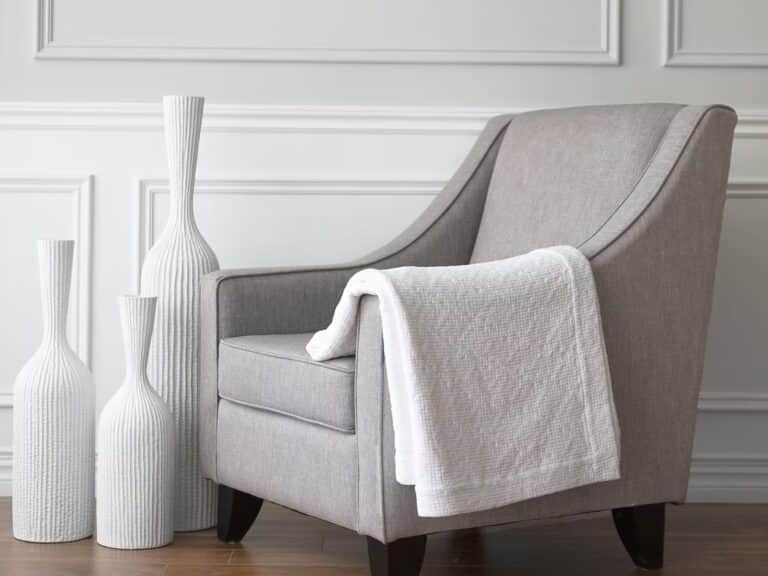
Consider the St Geneve Rochelle Cotton Matelasse Throw. Its product information does not depend on the name alone. It identifies the throw as 100% long-staple cotton, woven in Portugal, with a basketweave texture, a two-inch self-hem and mitered corners. It also states that the product is OEKO-TEX certified and gives care guidance. These are concrete details: they help turn an evocative brand impression into an informed product decision.
The design language is also more specific than a broad promise of sophistication. Basketweave describes a surface; a tailored hem and mitered corners describe finishing choices. Together, those details help a shopper picture the throw in use and assess whether it suits a room or a layering plan. The name may frame the encounter as refined, but the textile description is what gives that impression something tangible to rest on.
This is a useful lesson in brand identity: suggestion can attract attention, while precision earns confidence. When an elegant name is paired with clear, verifiable product information, the two can work in tandem. The name sets a tone; the description explains what the customer is actually considering.
DownTown Company: familiarity and directness
DownTown Company sounds less like an invitation to an imagined destination and more like a recognizable label for a business. The phrase has a straightforward structure. “Downtown” is easy to picture, while “Company” gives it a broad, accessible finish. The result may feel familiar and unpretentious, though familiarity is not the same as simplicity in a product’s design or manufacture.
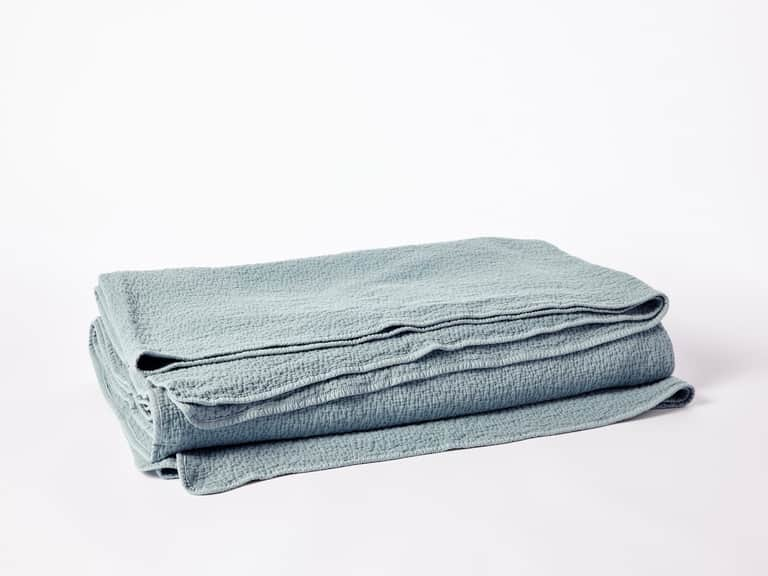
That distinction becomes clear in the DownTown Company Ocala Matelasse Coverlet. Its description identifies a 100% cotton matelassé construction, Portugal as its place of manufacture, and a crisp chevron pattern. The coverlet is described as lightweight and breathable, with a softly dimensional surface, and is offered in white or taupe. Those details convey more about the item than the company name could.
The name “Ocala” adds another layer: a product name that is more evocative than explanatory. It can help distinguish one design from another, but it does not tell a shopper what the pattern looks like. “Crisp chevron” does that work. “100% cotton” gives material information; “made in Portugal” supplies origin information. Each phrase serves a different purpose, and good product communication makes the distinctions legible.
There is an advantage to this kind of plainspoken presentation. It can reduce the distance between brand and shopper. A familiar-sounding name may feel less formal, while a clearly written description gives the reader a quick route to practical questions: What is it made of? What does the surface look like? How might it layer with other bedding? The product’s identity becomes a collaboration between the brand name and the details that follow.
The expectations formed before the first touch
A customer often meets a bedding product through a title, a short description or a search result rather than in person. In that brief encounter, brand language has to carry more weight. “Refined,” “classic,” “lightweight” and “textured” can help readers imagine an item, but each word raises a question: Is the impression supported by a description of the weave, the fiber or the finish?
Names also influence the category a shopper thinks they are entering. St Geneve may suggest a considered, polished experience; DownTown Company may sound more immediate and approachable. These are possible readings, not universal reactions. A shopper’s associations depend on language, cultural context, past experience and personal taste. One person may hear elegance in a place-associated name; another may simply hear a brand name. A direct phrase can feel reassuring to one reader and generic to another.
That variability is why strong brand communication should not rely on the name to do every job. A name can be memorable and suggestive while leaving practical meaning open. Product descriptions then have to supply the information a customer needs to compare options. In bedding, that may include the textile’s fiber, construction, origin, texture, dimensions, color options and care requirements.
The sequence matters. An appealing name may create curiosity, but details let a shopper judge whether the product fits a real need. A throw for a chair, a lightweight coverlet for layering and a heavier bed covering are not interchangeable just because all can contribute to a bedroom’s appearance. Clear descriptions help customers distinguish mood from function.
Matelassé: when a product word carries its own story
The word “matelassé” shows how a technical or specialist term can influence product identity. It often appears in bedding descriptions to name a woven textile with a raised, quilted-looking surface. For a shopper unfamiliar with the term, however, it may sound more like an aesthetic promise than a clear explanation. The surrounding copy should describe what the surface looks and feels like rather than assuming the word explains itself.
That is where accessible language becomes part of a brand’s identity. A description can pair the term with familiar cues: a stitched or dimensional texture, a chevron pattern, a softly raised finish, or a particular type of drape. These phrases do not replace accurate textile terminology. They make it easier to understand.
For naming and communication professionals, this is a broader principle: specialized language can signal knowledge, but clarity makes knowledge useful. If a term is likely to be unfamiliar, explain it. A brand that helps customers interpret its vocabulary can feel more trustworthy than one that uses elevated wording as a substitute for information.
How to compare brand identities without overreading them
Comparing St Geneve and DownTown Company is most useful when the exercise stays modest. It is possible to describe the impressions their names may create. It is not possible to establish a product’s quality, value or manufacturing practice from the name alone. That requires product-level evidence and, where relevant, the brand’s own documented claims.
A careful shopper—or a writer assessing brand language—can ask a few practical questions:
- What does the name suggest before any product details appear?
- Which of those impressions are supported by the description, and which remain associations?
- Are materials, construction, dimensions and origin stated clearly?
- Does the product name help distinguish a design, or does it need descriptive language alongside it?
- Can a reader understand the textile vocabulary without specialized background?
- Does the overall tone match the information customers need to make a considered choice?
These questions keep interpretation grounded. They also reveal that brand identity is not a single logo or name. It is the accumulated effect of the words used across a customer’s journey: the company name, the design name, the material description, the care instructions and the way claims are explained.
The language around a product is part of the product experience
In a crowded market, names help products become recognizable. But recognition is only the beginning. A distinctive name may bring a shopper to a page; a useful description helps them decide whether to stay. In this sense, the best brand language is not necessarily the most ornate or the most literal. It is language that knows when to suggest and when to specify.
St Geneve and DownTown Company illustrate two different balances. St Geneve leans toward a refined, place-associated impression, while DownTown Company uses more familiar, direct wording. The contrast is not a verdict on either brand, nor does it mean that one identity is inherently more credible or appealing. It is a reminder that a name opens a conversation rather than completing one.
The products offer a way to see that conversation in practice. The Rochelle throw’s cotton content, Portuguese craftsmanship and tailored details add substance to the impression suggested by its brand. The Ocala coverlet’s cotton construction, chevron surface and stated origin translate a straightforward company name into a specific object a customer can imagine using. In both cases, the name gains meaning through the information attached to it.
That is the larger lesson for anyone choosing bedding—or developing a brand. A name can shape expectations in a heartbeat, but trust grows through consistency and clarity. Let the name create interest. Let the product description answer questions. And let the materials and construction, rather than the mood of a phrase, guide the final judgment.
Key takeaways
- St Geneve may evoke refinement through its place-associated name; DownTown Company may sound familiar and direct.
- These are possible language impressions, not guarantees about product quality, origin or performance.
- Product descriptions should provide concrete information about fiber, texture, construction, dimensions and care.
- Brand identity is built through the relationship between a name, its surrounding communication and the product itself.